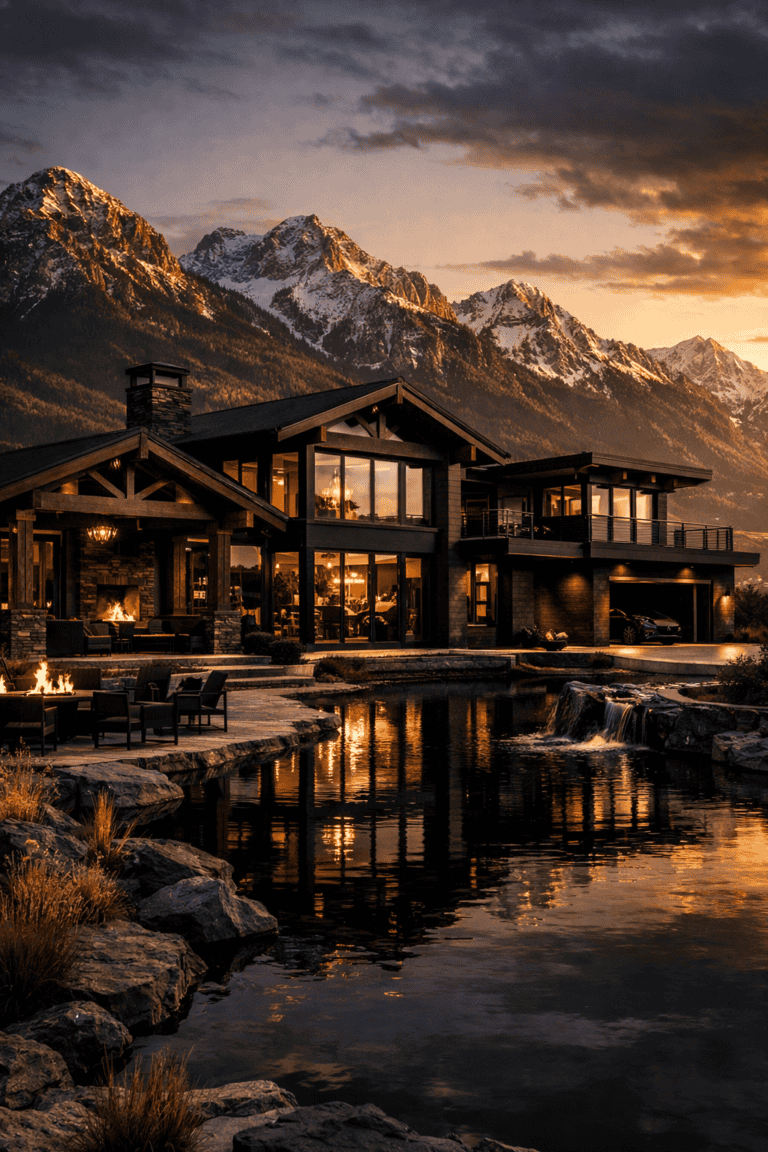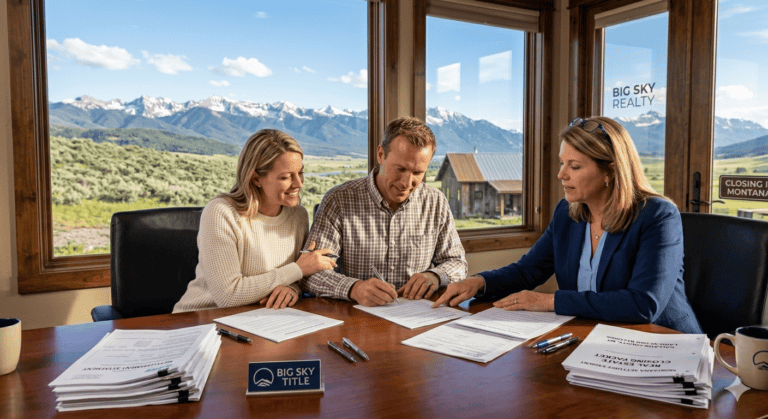
Livingston Montana Real Estate: Homes, Land, and Strategic Property Guidance
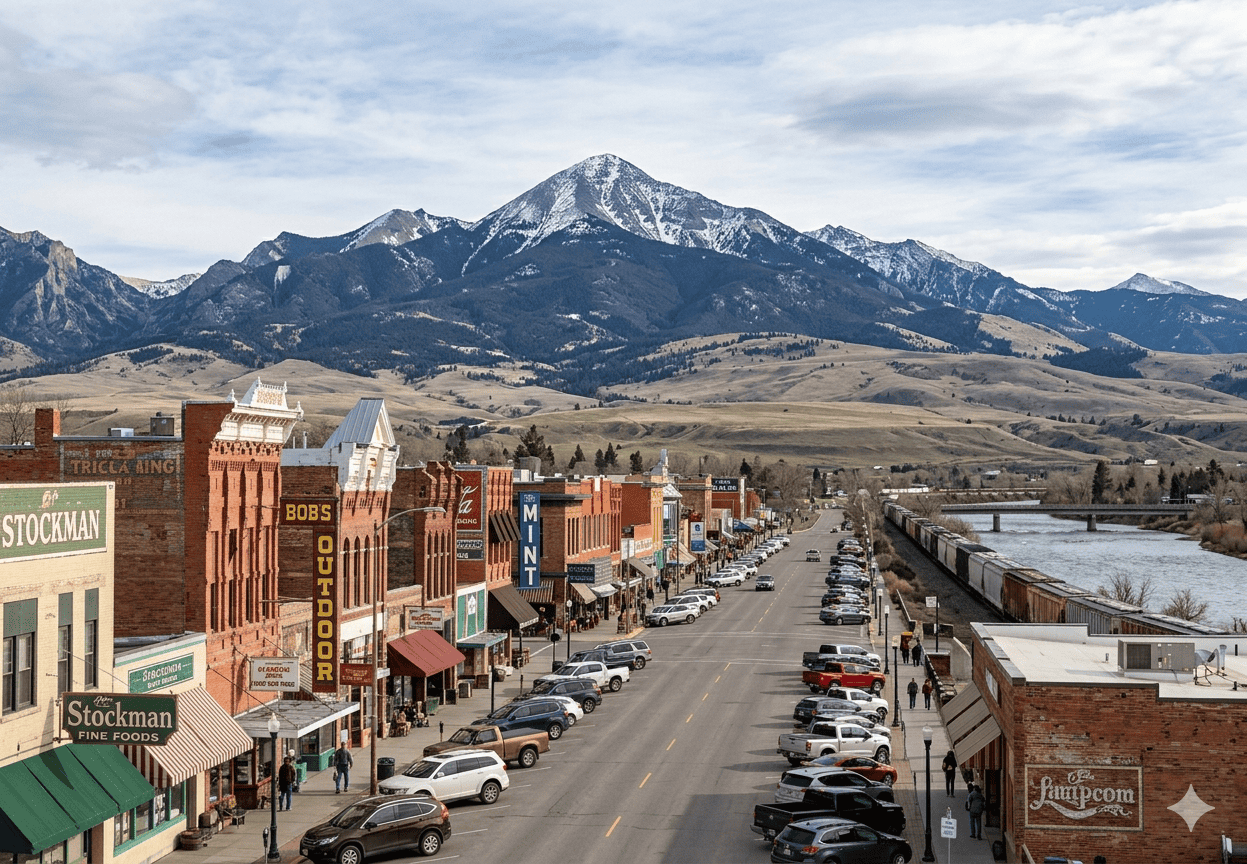
Livingston, Montana has become one of the most sought-after real estate markets in the Northern Rockies, and the reasons go beyond scenery. Positioned along the Yellowstone River at the northern edge of Paradise Valley, it offers something increasingly rare: real land, real space, and a community that still has its own identity.
People are paying attention to Livingston in a way they weren’t ten years ago. The combination of Yellowstone River access, proximity to Yellowstone National Park, a culturally rich downtown, and spillover demand from a saturated Bozeman market has created genuine pressure on inventory. That means buyers who are not prepared to act quickly and evaluate properties correctly are losing ground to buyers who are.
This guide is designed to give you a real understanding of how this market works, what separates a strong property from a weak one, and how to approach a purchase here with clarity.
Key Takeaways: Livingston real estate rewards buyers who evaluate land characteristics before aesthetics. Water rights, year-round access, and infrastructure all affect long-term value more than square footage. Working with a local broker who knows Park County and Paradise Valley is not optional here.
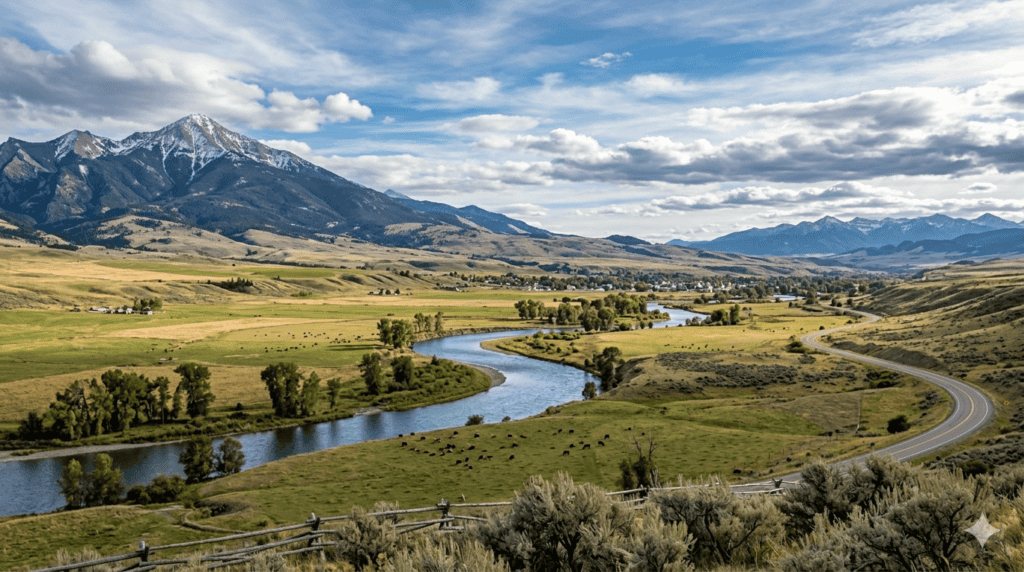
Why Are People Moving to Livingston, Montana?
The migration into Livingston is not a trend driven by a single factor. It is the result of several things happening at once. Remote work has untethered a segment of buyers from urban job centers. Frustration with density, regulation, and cost of living in places like Colorado, California, and the Pacific Northwest has pushed serious buyers toward states with more independence and fewer restrictions. Montana checks both boxes.
Livingston specifically draws buyers who want Yellowstone access without the congestion of Gardiner, a real town rather than a resort community, and land prices that have not yet reached the Bozeman ceiling. Many buyers also arrive because they want to be in the greater Paradise Valley area and Livingston is the practical base for that.
The buyers I work with are not impulse purchasers. They have usually been watching this market for a year or more before reaching out. They are looking for a property that will function well long-term, not just photograph well.
What Drives Real Estate Value in Livingston?
Understanding value in this market requires looking past the obvious.
Square footage matters less here than it does in suburban markets. What drives long-term value in Livingston and the surrounding Park County area is a combination of land characteristics, access, and scarcity. A 1,400 square foot home on an irrigated river lot with senior water rights will hold and grow value more reliably than a larger, newer home on dry land with limited access.
Water is among the single most important value drivers in Montana real estate. Properties with direct river frontage, particularly along the Yellowstone or its major tributaries, benefit from desirability that does not depend on development trends. Deeded water rights with a senior priority date add value that shows up clearly at resale.
If you are evaluating any rural or agricultural property in this area, the water situation needs to be one of the first questions you ask.
Year-round access is the second factor most buyers underestimate. A road that becomes impassable in winter or requires easement agreements with neighboring landowners introduces ongoing risk. Seasonal access limits who can buy the property when you go to sell it, which limits your exit options.
Terrain and usability matter more than raw acreage. Thirty acres of steep, rocky hillside with no flat building area and no water is worth considerably less than ten usable acres with infrastructure. Buildable topography, good soil, and reasonable grade are worth paying attention to on any rural property.
Infrastructure reduces risk. Properties with an existing well, functional septic system, electrical service, and improved road access are simply easier and less expensive to use. The gap between a raw parcel and a property with even basic infrastructure in place can represent a significant difference in out-of-pocket cost before the property is livable.
Finally, what surrounds a property shapes its long-term value. Land bordered by U.S. Forest Service or Bureau of Land Management ground, or adjacent to conservation easements, tends to benefit from protected views and limited future development pressure. That kind of scarcity does not go away.
What Types of Property Are Available in Livingston?
Livingston and the surrounding Park County area include several distinct property types, each with its own evaluation criteria.
In-town homes offer walkability, proximity to Livingston’s downtown restaurants and services, and access to the local community without requiring a vehicle for every errand. These properties have attracted attention from buyers who want Montana but also want the texture of a real town. Historic homes near downtown have appreciated significantly as interest in Livingston has grown.
Rural residential properties sit outside the city limits, typically on parcels ranging from a few acres to several dozen acres. These offer privacy and space while maintaining reasonable access to town. They require more evaluation of well, septic, and road conditions than in-town properties, but the tradeoffs in space and quiet are real.
Raw land and acreage parcels require the most careful analysis. Water availability, zoning, access, and build feasibility all need to be evaluated before purchase. The cost to develop raw land from scratch in Park County, including a well, septic, power connection, and road, can run well into six figures depending on site conditions. Buyers who do not account for those costs in their initial offer often find themselves over budget before construction begins.
Ranch and recreational properties serve buyers looking for livestock capacity, hunting rights, fishing access, or longer-term investment value. These larger parcels are evaluated differently than residential properties, with grazing rights, water shares, and timber or mineral considerations becoming relevant depending on the specific parcel.
What Do Out-of-State Buyers Need to Know Before Buying in Livingston?
Most of the mistakes I see out-of-state buyers make in this market come from applying assumptions that are reasonable in other states but do not hold in Montana.
Water rights are not automatically included with land. In Montana, water rights are appropriated separately from surface ownership and operate on a priority system. Buying a property without understanding its water rights situation, or assuming water is accessible simply because a river runs nearby, is a serious and sometimes costly error.
Zoning and covenants vary significantly across Park County. Livingston city limits have their own rules. Properties in unincorporated areas may fall under county zoning or have subdivision covenants that restrict use. Before purchasing any parcel, it is worth understanding what you can and cannot do with it.
Montana winters are a real operational consideration. Properties that are beautiful and accessible in July may require significant equipment, road maintenance, or preparation to function well from November through March. Buyers who have not spent a winter in Montana sometimes underestimate what that looks like in practice.
Infrastructure costs for raw land are real and significant. Power, water, septic, and road access all cost money, and in rural Park County those costs are higher than in areas with denser development. A property priced below comparable listings may reflect the absence of these improvements, which buyers sometimes do not catch until they are already in contract.
How Is the Livingston Real Estate Market Performing?
Demand in Livingston has been steady and is driven by structural factors that are unlikely to reverse quickly. Migration from higher-density states continues. Bozeman has priced a segment of buyers out of that market, and Livingston is the natural next look for buyers who want the Gallatin Valley lifestyle without the Gallatin Valley price.
Remote work has expanded the buyer pool considerably.
That said, not every property in this market has benefited equally. Properties with strong land characteristics, water rights, and year-round access have performed better than properties that rely on views or square footage alone. The lesson is not simply that Livingston is hot. It is that the right Livingston property is worth pursuing, and the wrong one can underperform regardless of market conditions.
How Should You Approach Buying Property in Livingston?
The buyers who make the best decisions in this market come in with a clear objective, the patience to wait for the right property, and the preparation to move decisively when it appears.
The first question to answer is what the property needs to do for you. A primary residence, a part-time retreat, a working ranch, and a land investment all have different requirements, and chasing the wrong type of property for your actual objective wastes time and money.
Once the objective is clear, land characteristics should drive evaluation before aesthetics. A beautiful kitchen in a house with no water rights and seasonal road access is still a bad purchase. The land holds value. The finishes are secondary.
Understanding constraints before you fall in love with a property saves negotiation leverage and prevents regret. Zoning restrictions, easements, access agreements, infrastructure gaps, and water situations should all be reviewed before you are emotionally committed to a specific parcel.
And when the right property appears, being ready to act is not optional. Serious properties in this market attract serious buyers. Buyers who are pre-approved, clear on their objectives, and willing to make a decisive offer are the ones who close.
What Should You Look for in a Livingston Montana Real Estate Agent?
Buying property in Livingston is not a transaction that benefits from a generalist. The specific knowledge that matters here includes water rights, Park County zoning, land access issues, infrastructure evaluation, and an honest understanding of what drives value versus what is simply appealing to look at.
The right agent helps you understand what you are buying, not just helps you buy something. That distinction matters when you are spending six or seven figures on a property that may be difficult to exit if you purchased it without clarity.
My focus in working with buyers in this area is on helping them make sound decisions. That means being honest when a property has problems that offset its appeal, being direct about what the market is doing and what it is not, and making sure buyers have the information they need before they commit.
Frequently Asked Questions About Livingston Montana Real Estate
How much does it cost to buy a home in Livingston, Montana? Prices vary significantly by property type. In-town homes in Livingston have ranged from the $300,000s to well over a million dollars depending on size, condition, and location. Rural residential properties and acreage parcels range more widely depending on water, access, and improvements. The Park County market as a whole has seen appreciation over the past several years, with the lower end of inventory becoming increasingly competitive.
Is Livingston cheaper than Bozeman? Historically, yes. Livingston has offered more accessible entry points than Bozeman, particularly for buyers seeking land and rural properties. That gap has narrowed as buyers priced out of Bozeman have moved their search east, but Livingston still generally offers more land value per dollar than the Bozeman area.
Do I need a local agent to buy property in Livingston? You are not legally required to use a local agent, but the practical reality is that water rights, Park County zoning, rural access issues, and land evaluation all require specific local knowledge. An agent who works regularly in this area will identify risks and opportunities that a general buyer or an out-of-area agent may miss entirely.
What is Paradise Valley real estate like? Paradise Valley stretches south of Livingston along the Yellowstone River toward the north entrance of Yellowstone National Park. Properties in the valley range from modest homes and cabins to significant ranch and river properties. The combination of Yellowstone River frontage, mountain views, and proximity to the park makes this one of the most desirable rural corridors in Montana. Inventory is limited and properties move when they are priced correctly.
Are there properties with Yellowstone River frontage for sale in Livingston? River frontage properties in this area do come available, though inventory is limited and demand is high. These properties carry a premium and require careful evaluation of water rights, flood zone designations, and access. They tend to hold value well because the combination of features that creates them cannot be replicated elsewhere.
Ready to Start Your Livingston Montana Property Search?
If you are exploring Livingston Montana real estate for a primary home, a rural retreat, land, or a larger property in Paradise Valley, the process starts with clarity about your objective and an honest evaluation of what the market can offer at your price point.
My approach is straightforward. Help you understand what you are buying. Be honest about the risks and the opportunities. Make sure you have what you need to make a decision you will feel good about long-term.
Contact me to start a conversation or to ask about available properties in the Livingston and Paradise Valley area.
Stacy Bennin, Licensed Montana Real Estate Broker Livingston and Paradise Valley, Montana
[406-224-3267]
stacy@legacylandsllc.com stacyadell.com
Stacy Bennin is a licensed real estate broker in Montana, affiliated with Legacy Lands Real Estate in Paradise Valley. She specializes in helping buyers and sellers across Park County and southwest Montana find the property that fits their needs. She stays current on AI, blockchain, and emerging technology so her clients benefit from where real estate marketing, ads, and transactions are headed, not just where they have been. Contact her at (406) 224-3267 or visit stacyadell.com.