What It’s Really Like Living in Livingston and Paradise Valley, Montana
Why does this depend entirely on who you are?
Most articles about living in Livingston, Montana are written to attract people here. This one is written to help you figure out whether you actually belong here. That is a different goal, and it matters a lot.
Paradise Valley is genuinely wonderful, and it is also not for everyone. Some people move here with real excitement and leave two years later with a hard lesson about the gap between the life they imagined and the life actually offered. That gap is predictable and avoidable if someone is honest with you upfront.
Consider this that conversation.
What does life actually look like in Livingston and Paradise Valley?
Livingston has a real downtown. Park Street has galleries worth visiting, restaurants worth driving for, and a bar culture that has existed long enough to have its own character. The Murray Hotel has been a fixture for over a century. Neptune’s Taproom draws a crowd on a Friday. The arts scene is legitimate in a way that surprises people who expected a quiet western town.
If you want dinner at Sage Lodge, or a weeknight drink at The Old Saloon in Emigrant, or an afternoon walking galleries in town, those things are available and genuinely good. The key word is intention. Nothing here is ambient. Going out means deciding to go out, planning it, driving to it. For people who want that kind of deliberate social life, it works beautifully. For people who are used to spontaneous plans and walking distance to everything, the adjustment is significant.
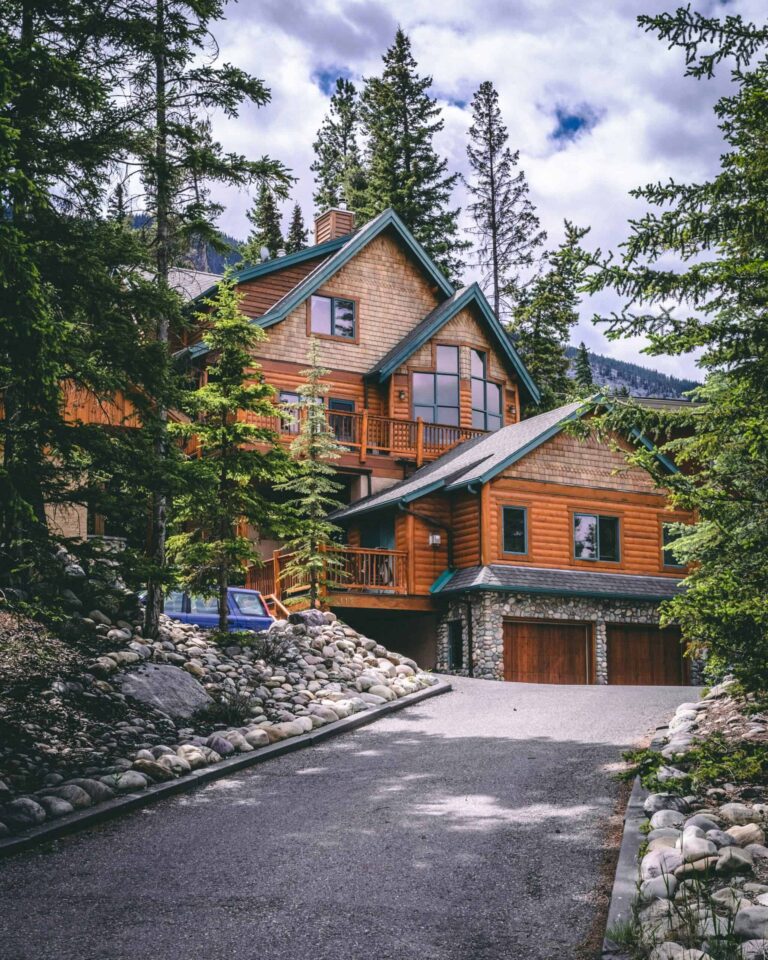
Paradise Valley itself is different from town. Ranches, open land, the Yellowstone River running through it, neighbors measured in acres rather than feet. Even in a neighborhood like Yellowstone Trails Ranch where parcels run thirty to forty acres, you are not in a suburb. You are in a valley mixed with newcomers and Montanans whose families have been here for generations. This matters more than most people realize before they arrive.
For a more comprehensive look at the town itself, the complete guide to living in Livingston covers the practical day-to-day in more detail.
Who thrives in Paradise Valley?
The people who love this place tend to share certain things. They are comfortable in their own company. They have interests and projects that do not require a crowd. They appreciate the outdoors as part of daily life rather than a weekend activity. They respect the way of life that was here before them. They can drive to Bozeman without feeling punished.
Introverts often find Montana fits them in a way nowhere else has. The space, the quiet, the absence of social obligation, it recharges rather than drains. People who spent years in cities feeling overstimulated and under-rested frequently describe Paradise Valley as the first place they have felt like themselves.
When I first moved to Montana, I started to go stir crazy. The slow pace, the everyone-knows-everyone, the lack of a massive outdoor mall to just go walk around in and get away from it all was truly a difficult adjustment. I kind of hated it at first, to be honest. Now, over a decade later, I can stay alone literally for months. I’ll go to the store of course, but I have no need to move around with unsettled energy the way I used to, as long as I have something mentally challenging to work on at home. I now have so much beauty to take in on daily walks, and space to think, and create, and enjoy. I now realize this lifestyle is a gift few people get to receive in their lifetime.
Remote workers who came after the pandemic and chose to stay have largely done well here, provided they arrived with realistic expectations and a reliable internet connection. The combination of meaningful work and genuine space outside of it suits a specific kind of person very well.
Who struggles in Paradise Valley?
This part needs to be said plainly.
Isolation is real. Even if you live in a neighborhood, you are not going to run into neighbors as you take out your trash, or wave to them as you drive into your driveway. You are probably not going to have spontaneous social plans on a Tuesday evening. Social life here requires effort and planning in a way that urban life simply does not, and that difference is harder to adapt to than most people expect.
Extroverts who genuinely need regular social contact to feel well often find that the valley slowly depletes them. It starts as novelty. Then it becomes quiet. Then it becomes lonely in a way that is hard to name because the scenery is still beautiful and the rational reasons for being here still exist.
The beauty does not fix the loneliness.
This has ended marriages. One spouse adjusts, usually the one who wanted to make the move more urgently, often the more introverted one. The other spouse tries due to a fantasy of having tons of new and attentive friends, holds on, and eventually reaches a point where they realize their needs are not being met. It is not a failure of the relationship. It is a fundamental mismatch between what one person needs and what a rural valley in Montana is capable of offering. It happens more often than anyone writes about.
If you and your partner are not genuinely aligned on what a regular Tuesday looks like here, that conversation needs to happen before you purchase anything, not after.
The good news, depending on who you ask, is that Paradise Valley is growing. New people have moved in bringing fresh ideas for how to gather and socialize creatively with live bands and unique, custom events. Peace of Paradise is one example.
What is winter actually like in Livingston Montana?
Livingston is one of the windiest cities in the country. The wind coming through the canyon in winter is not scenic. It is relentless and cold and something that takes real adjustment for anyone who did not grow up with it.
Paradise Valley gets cold and stays cold. Roads can close. Power can go out. The valley empties out in a way that amplifies the quiet for people who are already struggling with isolation.
People who love winter, and plenty do, find this season extraordinary. The light changes, the crowds disappear, and there is a stillness in the valley that summer never brings. But people who are tolerating winter rather than embracing it tend to find that tolerance has a shorter shelf life than they expected.
What makes it worth it?
For the right person, there is nowhere else.
The access to the Yellowstone River, the proximity to Yellowstone National Park, the quality of October light in the valley, the fact that you can leave your door unlocked and your dog can run, these things are real and they are increasingly rare in the world.
The community, once you find your way into it, tends to run deep. Most people here chose it deliberately. That creates a different quality of connection than you find in places people ended up by default.
And there is something harder to describe, a relationship with the land itself that people who have been here for years talk about as the thing they could not replicate anywhere else. The valley gets into you if you give it time. Not everyone does. The ones who do rarely want to leave. We cover this in more detail in health benefits of living in Montana.
How does Livingston compare to other Montana towns?
If you are still narrowing down where to land, the honest comparison most buyers wrestle with is Livingston versus Bozeman. The two towns are an hour apart and they offer very different lives. The breakdown of Livingston vs Bozeman covers what each town actually offers and what kind of buyer fits each one.
Cost is also a real factor that catches people off guard. The cost of living in Livingston breaks down what to budget for housing, utilities, and the day-to-day before you commit.
Key takeaways
- Livingston and Paradise Valley are not for everyone, and the gap between expectation and reality is what causes most people to leave.
- Social life here is intentional, not ambient. Spontaneous connection has to be replaced with planning, or it does not happen.
- Introverts and people comfortable in their own company tend to thrive. Extroverts who need daily social contact often struggle more than they expected.
- Winter is long, cold, and windy. Embracing it is different from tolerating it, and tolerance runs out faster than most people anticipate.
- Couples should align on what a regular Tuesday looks like before purchasing, not after. This is the conversation that prevents the most regret.
Frequently asked questions about living in Livingston and Paradise Valley, Montana
Is Livingston Montana a good place to live?
Livingston is a genuinely good place to live for people who are comfortable with space, quiet, and an intentional social life. It has a real downtown, strong arts culture, good restaurants, and extraordinary outdoor access. It is a poor fit for people who depend on density, convenience, and spontaneous connection to feel fulfilled.
Is Paradise Valley too isolated?
Paradise Valley is rural by any measure. Parcels are large, neighbors are spread out, and everything requires driving. For people who want that level of space and privacy, isolation is the point. For people who underestimate how much they rely on casual social contact and urban convenience, the reality can become genuinely difficult over time.
What is winter like in Livingston Montana?
Cold, windy, and long. Livingston is one of the windiest cities in the United States. Paradise Valley gets cold and stays cold through the season. People who embrace winter find it one of the most beautiful times to be here. People who are enduring it tend to find their tolerance wearing thin by year two or three.
Do couples struggle after moving to rural Montana?
It happens, and more often than people talk about. When one partner adjusts and the other does not, the imbalance puts real pressure on the relationship. The partner who struggles is usually the more extroverted one who underestimated how much daily social contact mattered to their wellbeing. An honest conversation about what regular life looks like here, not just summers and weekends, is essential before making the move.
What is there to do in Livingston and Paradise Valley?
Livingston has galleries, restaurants, and bars including The Murray Hotel, Neptune’s Taproom, and Sage Lodge nearby in the valley. The Old Saloon in Emigrant is a Paradise Valley institution. Outdoor access is exceptional, including the Yellowstone River, Yellowstone National Park, fishing, hunting, and hiking. Social life is intentional rather than ambient, which suits some people well and exhausts others. Read more about this in complete guide to buying in Paradise Valley.
Stacy Bennin is a licensed Montana real estate broker affiliated with Legacy Lands Real Estate in Paradise Valley. She specializes in land and property in the Livingston, Paradise Valley, and Park County area, with a focus on helping buyers understand what they are actually committing to before the offer is written. She uses modern tools and technology where they help clients make better decisions, but the work is local, and the priority is protecting clients from the kind of mistakes that take years to unwind. Contact her at (406) 224-3267 or visit stacyadell.com.