Livingston vs Bozeman: Where Should You Buy in 2026?
Should I buy in Livingston or Bozeman, Montana?
People researching Montana real estate almost always end up comparing Livingston and Bozeman, and the comparison gets oversimplified almost every time. The two towns are an hour apart, both sit along the Yellowstone River corridor, and both offer access to the kind of landscape that draws people to Montana in the first place. That is where the similarity ends.
Beyond that, they are quite different, and the differences matter more than most buyers realize before they start making offers. This is not a ranking. Both towns are genuinely good places to live. What they offer, however, suits different kinds of buyers, and figuring out which one fits your actual life is worth doing before you spend six figures finding out the hard way. We cover this in more detail in Montana wellness and lifestyle benefits.
What is Bozeman actually like right now?
Bozeman has grown fast. It went from a college town with a quiet downtown to one of the most talked-about real estate markets in the country over the last decade, and the price tags reflect that. Entry-level homes in Bozeman regularly trade well above what the same square footage would cost anywhere in the state, and inventory moves quickly when it is priced correctly.
The upside is real. Bozeman has infrastructure that Livingston does not. A regional airport with direct flights to major cities. A hospital system. A university. A restaurant and bar scene that has grown to match the population. Groceries, gyms, services, and all the things that make daily life easier without driving an hour. For buyers who want Montana access but also want to feel like they are in a functioning small city, Bozeman delivers that.
The tradeoff is cost and density. Bozeman feels like a boom town because it is one. Traffic has increased, prices have risen faster than most buyers anticipated, and the character of the place is shifting in ways that longtime residents notice and talk about. People who moved there five years ago to escape a crowded city are now living in a place that is becoming, in some ways, the thing they left.
What is Livingston actually like right now?
Livingston is smaller, quieter, and cheaper. Not cheap, but meaningfully more affordable than Bozeman for comparable square footage and land. The gap has narrowed over the last several years as buyers priced out of Bozeman discovered the valley, but it is still real and it still matters for buyers working with a specific budget.
What Livingston offers that Bozeman does not is a sense of place that has not been fully diluted yet. The downtown still belongs to the people who have lived there for years. The arts community is genuine. The pace is slower and that slowness is a feature, not a bug, for the right buyer. Whether that fit actually works for you is its own conversation, and the honest version of what life is like in Livingston and Paradise Valley covers what most articles leave out.
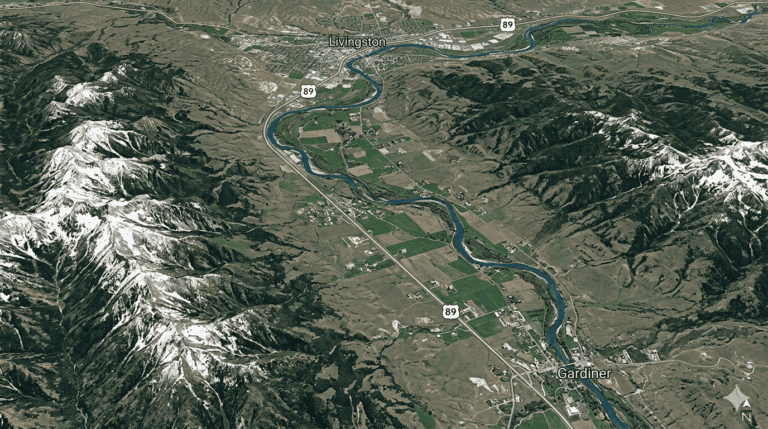
The Yellowstone River runs through the valley. Paradise Valley stretches south toward Yellowstone National Park. The access to public land, fishing, hunting, and outdoor recreation is exceptional, and it does not require driving through development to get to it.
The tradeoff is the same infrastructure gap that makes Bozeman easier. Livingston has one hospital. The airport situation means driving to Bozeman to fly anywhere. The restaurant and services options are limited compared to what a larger city provides, and some buyers who underestimate how much that matters to their daily quality of life discover the oversight after they have already moved.
How do prices compare in Livingston vs Bozeman?
Bozeman has consistently commanded a premium over Livingston, and that premium has grown as Bozeman’s profile has risen nationally. In general terms, buyers in Livingston can expect to find more land, more space, and more house for the same budget than they would in Bozeman.
The gap is most visible in three places:
- Land and rural property. Livingston and Park County still offer parcels that would be completely out of reach in Gallatin County at comparable prices. For buyers whose primary goal is land ownership and acreage, this gap alone often makes the decision.
- Entry-level housing. A modest home in Livingston can still come in well below the equivalent in Bozeman, especially in older neighborhoods that have not been fully renovated.
- Commercial and mixed-use. Property that supports a small business, short-term rental, or live/work setup is more accessible in Livingston for buyers without unlimited capital.
The gap closes at the higher end. Luxury and ranch property in Park County competes directly with Gallatin County and is priced accordingly, especially anything along the Yellowstone River with strong water rights or exceptional location. Buyers who assume Livingston is universally cheaper are sometimes surprised to find that the best properties in Park County are not.
For a deeper look at what to budget specifically, the cost of living in Livingston breaks down housing, utilities, and the day-to-day numbers.
Should I commute from Livingston to Bozeman?
Many people do, and it works well for some and poorly for others.
The drive is roughly 26 miles along Interstate 90, which is 25 to 30 minutes under normal conditions and longer in winter weather. People who live in Livingston and work in Bozeman generally fall into two categories: those who do the drive a few times a week and find it tolerable, and those who do it five days a week and discover that an hour of daily winter driving on I-90 is more wearing than they expected.
If your work requires daily Bozeman presence, the math changes. The price savings on the home in Livingston have to weigh against the time cost, the vehicle wear, and the reality that the commute happens in conditions that include serious wind, ice, and occasional closures. If your work is hybrid or remote with occasional Bozeman trips, the calculus is much friendlier.
This is the conversation buyers should have before they purchase, not after they have committed to the move and discovered the daily reality.
Who should buy in Bozeman?
Buyers who need direct flights for work. Buyers who want university amenities and a larger social ecosystem. Buyers who want the Montana lifestyle but also want restaurants, gyms, and services within a few minutes rather than a few dozen. Buyers who are not ready to give up the convenience of a functioning small city.
Also, buyers who are purchasing a second home and will spend limited time there. If you are going to be in the property eight weeks a year, Bozeman’s amenities matter less and its appreciation history matters more.
Who should buy in Livingston?
Buyers who want space and land as a priority. Buyers who have already made peace with a slower pace and more deliberate social life. Buyers who are remote workers with flexibility over where they sit. Buyers who want to be in the valley and mean it, not just on the edge of a growing city.
Also buyers who are watching their budget. The same money goes further in Livingston, and that is a real consideration when land and acreage are part of what you are purchasing. If land is the main goal, the things to verify before buying any Montana parcel apply regardless of which side of the corridor you choose.
What is the question worth actually asking yourself?
Not which town is better, but which version of daily life you actually want to live. The answer to that question tells you where to buy faster than any market analysis.
If you imagine a regular Tuesday in February, what does it look like? If it includes walking to coffee, running into people, and a dinner reservation that night, you are picturing Bozeman. If it includes a long walk on quiet land, deliberate plans for later in the week, and a quiet evening at home, you are picturing Livingston. Both are real lives. Neither is the right answer for everyone.
Key takeaways
- Livingston and Bozeman are an hour apart but offer fundamentally different daily lives. The geography is similar. The lifestyle is not.
- Bozeman buys you infrastructure, amenities, and a functioning small city. The cost is price, density, and a town that is changing fast.
- Livingston buys you space, land, and a slower pace. The cost is the infrastructure gap, especially in healthcare, services, and air travel.
- The price gap is real but uneven. It is largest on land and entry-level housing and narrowest at the luxury end.
- The commute from Livingston to Bozeman works for some buyers and breaks others. Daily winter driving on I-90 is harder than the map suggests.
Frequently asked questions about Livingston vs Bozeman Montana real estate
Is Livingston or Bozeman better for real estate investment?
Both markets have appreciated significantly over the last decade. Bozeman has a longer track record of appreciation and more demand drivers, including the university, airport, and continued population growth. Livingston offers more affordable entry points and has seen meaningful appreciation as buyers priced out of Bozeman have moved east along the corridor. The right choice depends on your investment timeline and what you are buying.
Is Livingston Montana cheaper than Bozeman?
Yes, in general terms. Livingston and Park County offer more land and more square footage per dollar than Bozeman and Gallatin County. The gap has narrowed as Livingston has gained attention, but it remains meaningful, especially for rural and land purchases. The gap is smallest at the luxury end, where Park County competes directly with Gallatin County on price.
How far is Livingston from Bozeman?
Livingston is approximately 26 miles east of Bozeman along Interstate 90, which is roughly 25 to 30 minutes under normal conditions. Many people live in Livingston and commute to Bozeman for work, medical appointments, and the airport, though daily winter driving on I-90 is harder than the distance suggests.
Does Livingston have an airport?
Livingston does not have commercial air service. The nearest commercial airport is Bozeman Yellowstone International Airport in Bozeman, approximately 30 minutes west. Buyers who travel frequently for work should factor this into the lifestyle calculation, especially in winter when the drive is more demanding.
What is the lifestyle difference between Livingston and Bozeman?
Bozeman functions more like a small city with corresponding amenities, density, and pace. Livingston is a smaller town with a more deliberate, quieter lifestyle. Both have genuine communities and character. The right fit depends on how much you rely on urban infrastructure and spontaneous convenience in your daily life, and on whether you want to be in town or in the surrounding valley.
Stacy Bennin is a licensed Montana real estate broker affiliated with Legacy Lands Real Estate in Paradise Valley. She specializes in land and property in the Livingston, Paradise Valley, and Park County area, with a focus on helping buyers understand what they are actually committing to before the offer is written. She uses modern tools and technology where they help clients make better decisions, but the work is local, and the priority is protecting clients from the kind of mistakes that take years to unwind. Contact her at (406) 224-3267 or visit stacyadell.com.