
Title Fraud Is Real, It’s Growing, and Your Vacant Land Is the Biggest Target
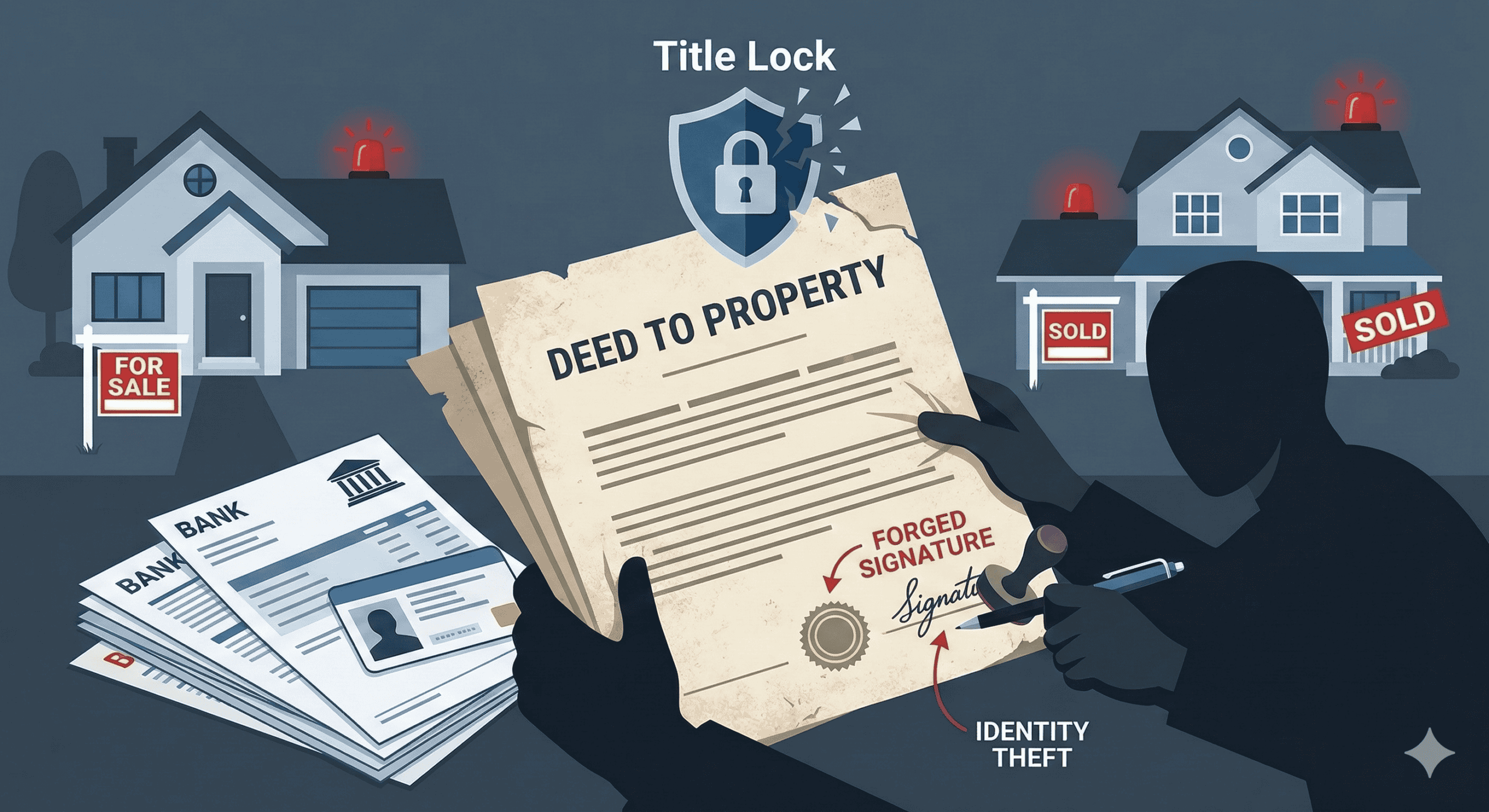
What Montana property owners need to know about deed theft, and how to protect yourself today
Most property owners assume their deed is safe. The house is in their name, the title company handled everything at closing, and nothing has changed since. So why would anyone worry?
Because title fraud doesn’t require breaking into your home. It doesn’t require your permission. And in many cases, it doesn’t require anything more than a forged document and a county recorder’s office that has no way to verify who’s standing at the counter.
What title fraud actually looks like
Title fraud, which is sometimes called deed theft, happens when someone illegally transfers ownership of a property without the true owner’s knowledge. The scam typically works like this: a fraudster identifies a property, forges documents or creates fake identification to impersonate the owner, and then either sells the property, takes out loans against it, or rents it out, all before the real owner has any idea something happened.
According to NAR’s 2025 Deed & Title Fraud Survey, about six in ten real estate association leaders reported seeing cases of title fraud in their markets within the past twelve months. The FBI’s 2024 Internet Crime Report documented over 9,300 real estate fraud complaints totaling more than $173 million in losses. And those are just the cases that got reported.
The most alarming part? Vacant land is the primary target. The same NAR survey found that 62% of recent title fraud cases involved vacant land, while only 12% involved owner-occupied homes. That matters a lot in Montana, where vacant parcels, ranch land, and undeveloped lots make up a significant portion of the market.
Why vacant land is so vulnerable
The logic behind it is simple. Nobody is living on the property. Nobody is checking the mail or noticing a stranger showing up with a surveyor. The owner may live in a different state or may have inherited the land and rarely thinks about it.
Scammers comb through county land records looking for a parcel with an out-of-area owner, no mortgage (so no lender monitoring the title), and enough value to make the scheme worth running. They build a fake identity that matches the ownership records, list the property through an unsuspecting real estate agent, push for a fast cash closing with a remote notary, and disappear with the proceeds before anyone realizes what happened.
In a state like Montana, where land transactions are common and many property owners hold acreage they don’t visit regularly, the conditions are unfortunately ideal for this kind of fraud.
How to protect yourself and practical steps you can take now
The good news is that title fraud, while growing, is preventable with some basic vigilance. None of these steps are complicated, and most are free.
Sign up for property alert notifications. Many county recorder offices now offer electronic notification systems that alert you whenever a document is filed against your property. If your county offers this, sign up immediately. It’s the simplest early warning system available. If someone files a fraudulent deed or lien against your property, you’ll know about it before the damage is done.
Check your property records periodically. Even without an alert system, you can search your county’s records online. Make it a habit — once or twice a year — to look up your property and confirm nothing unfamiliar has been filed. This is especially important for vacant land or investment property that you don’t visit often.
Get title insurance — and understand what it covers. An owner’s policy of title insurance protects against defects in the title, including fraud that occurred before you purchased the property. The cost is typically between 0.5% and 1% of the purchase price, paid once at closing. It’s one of the most underappreciated protections in real estate.
Monitor your credit. Title fraud sometimes involves taking out loans against stolen property, which can show up on the true owner’s credit report. Routine credit monitoring can catch activity you didn’t authorize. I have all of my credit frozen which is an easy process.
Be cautious with personal information. Fraudsters build fake identities using publicly available data — your name, your property’s legal description, even your signature from recorded documents. While you can’t make all of that disappear, you can limit unnecessary exposure by being thoughtful about what you share and where.
Watch your mail. If you stop receiving property tax notices, insurance correspondence, or other expected mail related to your property, that could be a sign someone has changed the mailing address associated with your ownership records.
If you own vacant land, pay extra attention. Drive the property or have someone check on it periodically. Keep your contact information current with the county. And if anyone contacts you about a transaction you didn’t initiate – a listing, a loan, a tax issue – verify independently before responding.
What to do if it happens to you
If you discover that someone has filed a fraudulent document against your property, move fast. Contact your county recorder’s office, file a report with local law enforcement, notify the FBI’s Internet Crime Complaint Center (IC3), and reach out to a real estate attorney. If you have title insurance, contact your title company immediately as this is exactly what that policy is for.
The sooner fraud is caught, the easier it is to unwind. The longer it goes undetected, the more complicated and expensive the recovery becomes.
Why your real estate agent should be talking about this
Here’s something worth knowing: according to CertifID’s 2025 State of Wire Fraud Report, 35% of buyers expect their real estate agent to educate them about wire and title fraud risks. Nearly 80% of consumers said they would choose an agent who demonstrates strong fraud prevention practices and would be willing to pay more for that added confidence.
Title fraud isn’t just a title company problem or a law enforcement problem. It’s a real estate industry problem. And the agents, brokers, and professionals who take it seriously are the ones protecting their clients and their own reputations.
The bottom line
Title fraud is not hypothetical. It’s happening across the country, it’s getting more sophisticated, and vacant land owners are the most exposed. The tools to protect yourself aren’t complicated as they include property alerts, periodic record checks, title insurance, credit monitoring, and basic awareness go a long way.
Owning property is one of the most significant financial commitments a person makes. Protecting that ownership shouldn’t be an afterthought.
Stacy Bennin is a real estate broker with Legacy Lands Real Estate, based in Paradise Valley, Montana. For questions about protecting your property, buying or selling land, or real estate in southwestern Montana, reach out at stacy@legacylandsllc.com or 406-224-3267.