What Is It Really Like Living in Livingston and Paradise Valley, Montana?
The wind, the river, the 30-minute commute, and the tradeoffs nobody puts in the listing photos.
Short answer: Living in Livingston and Paradise Valley means a real downtown with good food and a working-class history, a world-class river out your door, and a 27-mile drive to Bozeman for anything you can’t get locally. The wind is constant and occasionally absurd. Winters are long. People who thrive here came for the access to land, water, and Yellowstone, not for convenience. If you need a Costco run to take ten minutes, this is the wrong valley.
If you are reading listings in Park County from California, Texas, or somewhere on the East Coast, you have probably already fallen for the photos: the Yellowstone River curling under the Absarokas, a barn-red house with horses, a downtown that looks like a movie set. The photos are honest. What they leave out is the wind, the commute math, and what it actually costs to keep a rural property running. This is the part most buyers find out after they close, and it is the part that decides whether they stay.
This post is for the buyer who is 6 to 18 months out and trying to figure out whether the life matches the listing. Livingston and Paradise Valley are not the same place, they reward different people, and both have tradeoffs worth naming before you wire earnest money.
What is the difference between Livingston and Paradise Valley?
Livingston is the town. Paradise Valley is the 50-mile river corridor running south from it toward Yellowstone. Livingston gives you walkable streets, a grocery store, a hospital, and neighbors. Paradise Valley gives you acreage, privacy, and a longer drive to a gallon of milk. Most buyers want one and end up choosing the other.
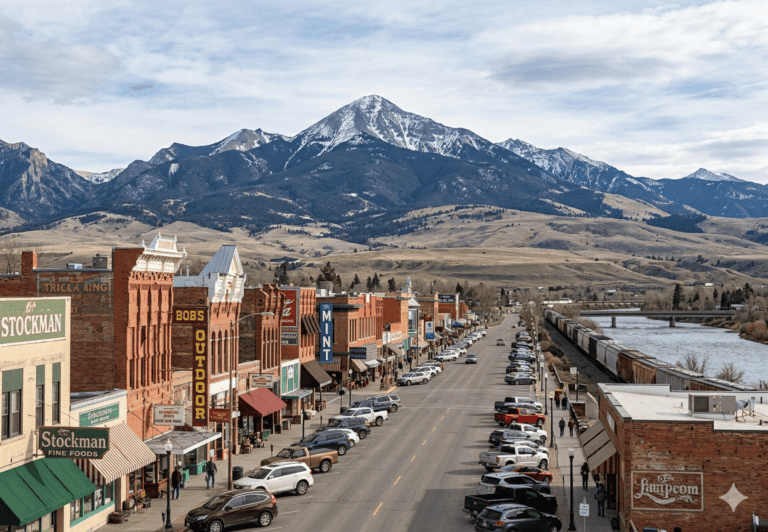
Livingston is the county seat of Park County, a railroad town of roughly 9,400 people that sits where the Yellowstone River bends north out of the mountains. It has a real grid of streets, a historic brick downtown, and the kind of density where you can walk to dinner. According to World Population Review, the town has grown about 9 percent since the 2020 census counted 8,645 residents, which is steady growth, not a boom.
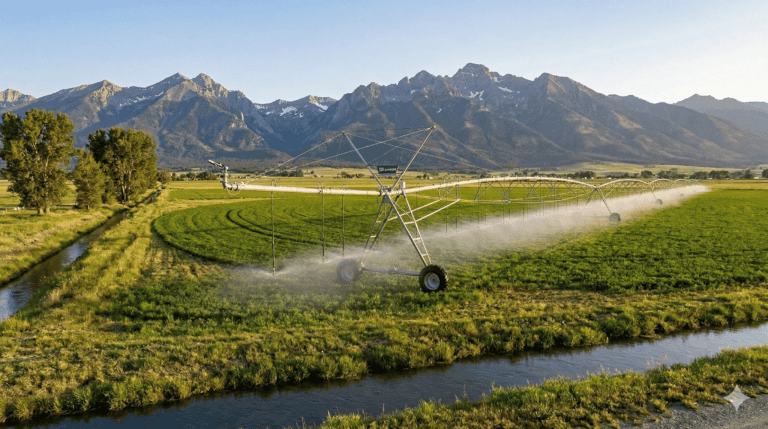
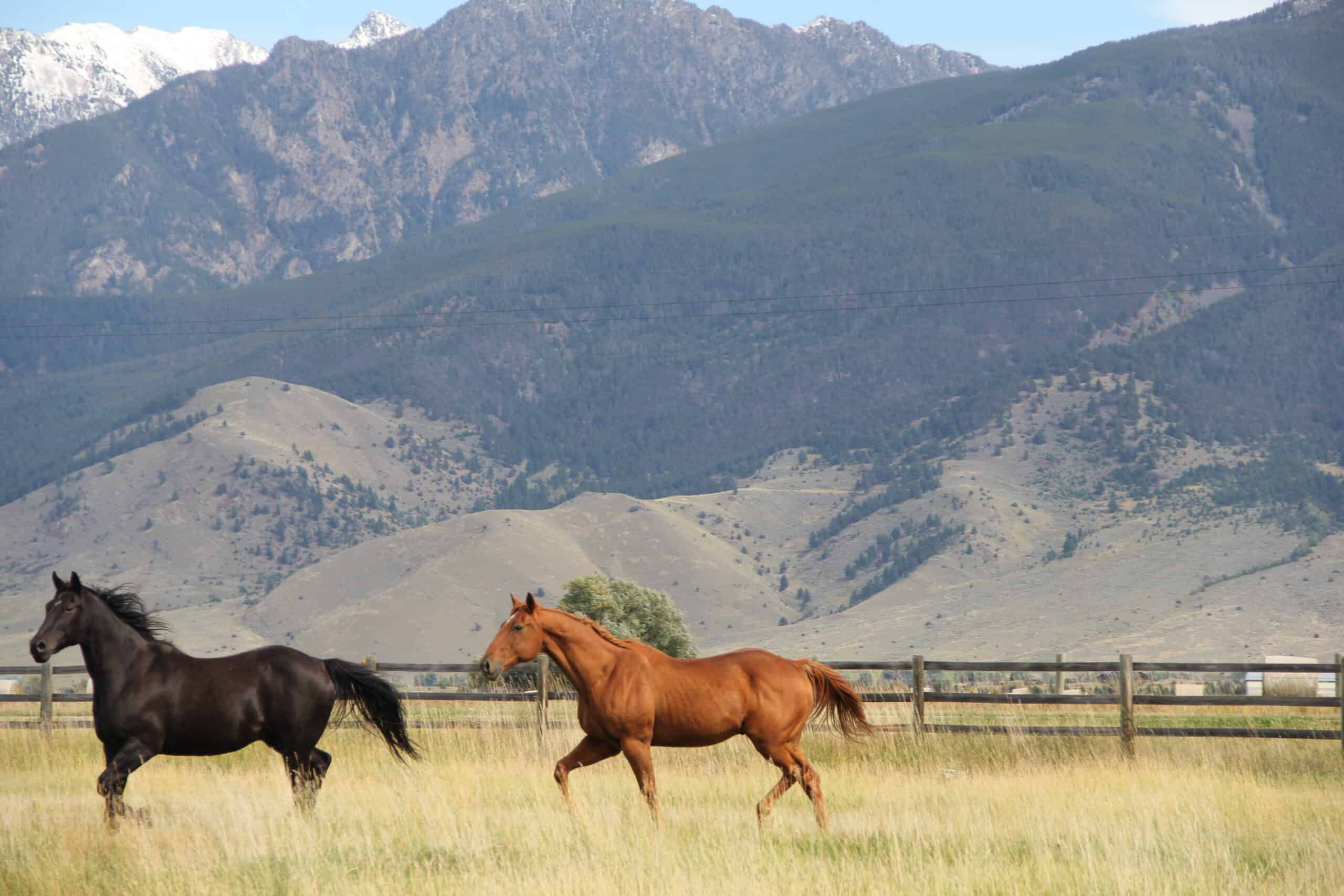
Paradise Valley is the broad river valley south of town, flanked by the Absaroka Range to the east and the Gallatin Range to the west, running down to the north entrance of Yellowstone at Gardiner. The communities along it, Pray, Emigrant, and Pine Creek, are not towns so much as clusters of mailboxes, a post office, and a bar. You buy in Paradise Valley for land and quiet. You give up walkability and quick errands to get it.
The honest version: if you have never lived rural before, Livingston is the smarter first move. You get Montana without the full isolation, and you can learn whether you actually want 20 acres before you commit to plowing your own road.
How windy is Livingston really?
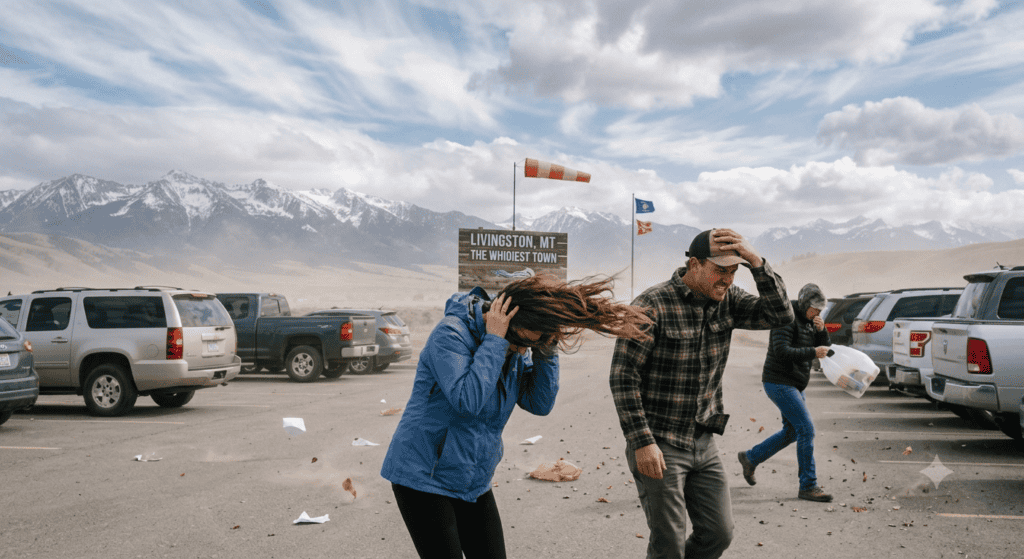
Very. Livingston is the unofficial wind capital of Montana, with average daily winds around 16 mph and December averages near 20 mph. Gusts of 45 to 60 mph are routine in winter, and the wind regularly closes Interstate 90. This is not a detail you adjust to in a week. It shapes daily life.
The wind is not a fluke. It is geography. As KTVH reported, low pressure sets up over central Montana while higher pressure sits to the south over Yellowstone, and air rushing between the two gets funneled and accelerated as Paradise Valley narrows toward Livingston, like a thumb over the end of a garden hose. The highest gust ever recorded there hit 108 mph in 1978.
For perspective, local weather coverage notes the average December wind speed in Livingston is roughly 20 mph compared to about 5 mph in Bozeman, only 27 miles west. Same region, completely different daily experience.
What this means in practice: high-profile vehicles get blown around on I-90 and the interstate closes during the worst events. Trash cans and trampolines travel. Fences and roofs need to be built for it. Some people find the wind genuinely hard to live with, and there is no point pretending otherwise. Others stop noticing it within a year. You will not know which one you are until you spend a winter here, which is exactly why renting for a season before you buy is the most underrated move an out-of-state buyer can make.
What does it cost to live in Livingston?
Livingston’s cost of living runs close to the national average overall, with housing as the main pressure point. As of 2026, single-person monthly costs land around $2,500 and a family of four runs closer to $5,500, per Salary.com. Property prices have climbed faster than wages, which is the real affordability story.
The median home price across Park County was about $575,000 in March 2026, up roughly 8.5 percent year over year according to Redfin. That figure swings month to month and blends modest in-town houses with multi-million-dollar Paradise Valley ranches, so treat it as a directional number, not a quote. What you can actually buy at a given price point deserves its own breakdown, and the cost gap between a Livingston lot and a Paradise Valley parcel with its own well and septic is wide.
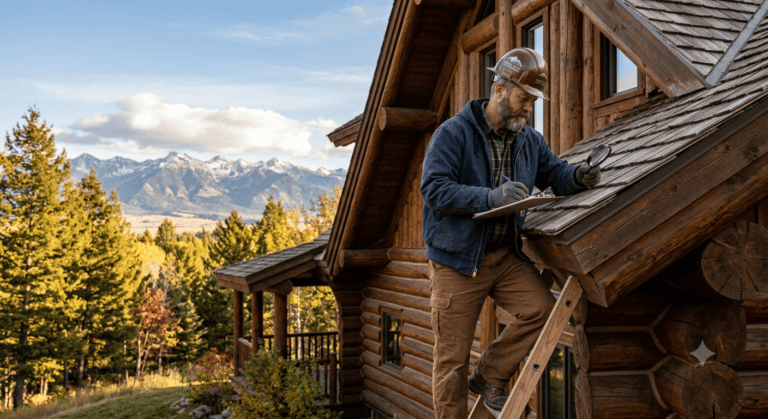
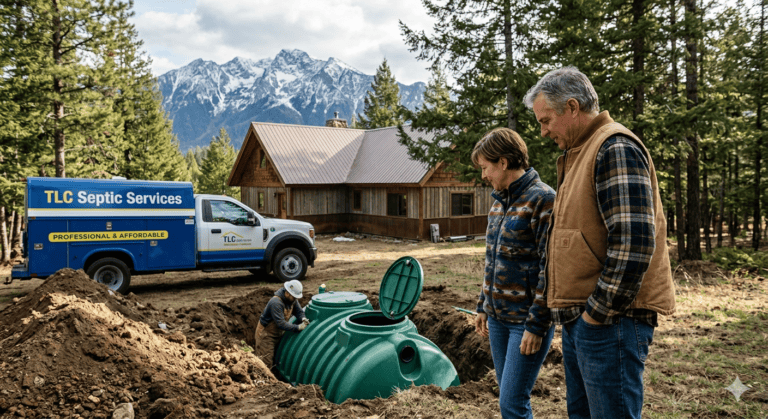
The hidden costs are the ones that catch out-of-state buyers. A rural Paradise Valley property is not a house, it is a small infrastructure operation: well, septic, propane, private road maintenance, and snow removal you handle yourself. None of that appears in the list price, and the numbers vary enormously from one parcel to the next depending on terrain, depth to water, and distance from the utility line. Budget for the property, then budget again for keeping it running.
What is the commute to Bozeman actually like?
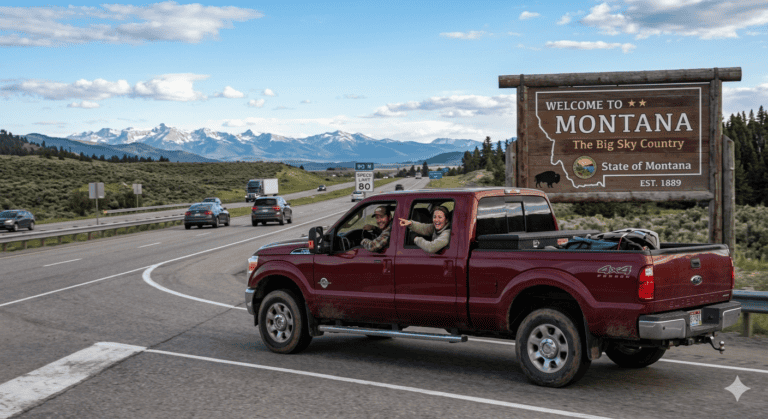
Twenty-seven miles over Bozeman Pass on Interstate 90, usually about 30 minutes door to door. Most of the year it is an easy, scenic drive. In winter it is a mountain pass, and that changes the calculation for anyone planning to do it daily.
A lot of people buy in Livingston specifically to work or shop in Bozeman while paying less for housing and keeping a smaller-town life. That tradeoff is real and it works for many. The thing to be clear-eyed about is the pass. As the Montana Department of Transportation tracks, wind and blowing snow over Bozeman Pass produce recurring closures and white-out conditions, and a normal 30-minute drive can turn into a slow, white-knuckle hour or an outright closure that sends you home.
My advice to anyone counting on this commute: drive Bozeman Pass in January before you buy, not in July. A summer test drive tells you nothing about the trip you will actually be making five days a week. If a reliable 30-minute commute is non-negotiable for your job, weigh whether you would rather pay Bozeman prices and skip the pass, a tradeoff worth working through carefully before you choose a side.
What is there to actually do in Livingston?
More than a town of 9,400 has any right to. Downtown Livingston has a dense, walkable core of restaurants, bars, galleries, and a genuine arts scene, anchored by the historic Murray block. Add a blue-ribbon trout river, a national park an hour south, and hot springs in the valley, and the “what do you do out here” question answers itself.
Downtown is the heart of it. The Murray Bar has anchored the scene for over a century with live music and 16 beers on tap, and the 2nd Street Bistro in the historic Murray Hotel does scratch French cooking with Montana ingredients. Dan Bailey’s is one of the most storied fly shops in the country and sits in the same block. For a fuller list, Explore Livingston keeps a current downtown dining guide.
The history is real and worth your time. The Livingston Depot Center, built in 1902 as the Northern Pacific’s launching point to Yellowstone, was designed by the architects behind New York’s Grand Central. The Yellowstone Gateway Museum tells the story of Park County’s role as the original gateway to the park. Down by the river, Sacajawea Park gives you the green space, and it holds the only statue in the world of Sacagawea and her son astride a horse.
Then there is the part most people move here for: the Yellowstone River runs world-class fly fishing right through the valley, with legendary spring creeks like DePuy’s nearby. Chico Hot Springs near Emigrant has been steaming since 1900. Pine Creek Lodge draws people from Bozeman for live music and dinner. And the north entrance to Yellowstone National Park at Gardiner is about an hour south. You will not run out of things to do. You may run out of weekends.
What are the schools and healthcare like?
Livingston has a full public school system and a community hospital, which is more than many Montana towns this size can say. For day-to-day medical needs and a K-12 education, you do not have to leave the county. For specialized care or a large hospital system, Bozeman is 27 miles west.
The town is served by Livingston Public Schools, running East Side Elementary, Sleeping Giant Middle School, and Park High School, home of the Rangers. Livingston HealthCare operates the local hospital and clinics, and for the 2025-2026 school year it reopened a student health clinic based at Park High serving district students in grades 3 through 12.
The honest tradeoff: a small district means smaller class sizes and a tight community, and it also means fewer advanced course options and extracurriculars than a Bozeman school. For most families that is a fair trade. If you have a kid with a specialized academic or athletic path, look closely at the specifics before you assume the local school covers it.
Who is Livingston and Paradise Valley actually right for?
It is right for people who came for the land, the river, and the access to wild country, and who treat town conveniences as a bonus rather than a baseline. It is wrong for anyone who needs short commutes, calm weather, and big-box convenience. The wind and the winters do the filtering.
A pattern I see often: buyers arriving from somewhere warm and flat fall hard for a Paradise Valley parcel in summer, picture the river and the mountains, and underweight the wind, the snow load, and the private-road maintenance that comes with it. The ones who are happy a year later are the ones who went in clear-eyed, rented a winter first, or started in town before stretching out into the valley.
The people who love it here love it specifically because it asks something of them. You trade convenience for space, mild weather for big weather, and anonymity for a town where the barista knows your order and your dog. That trade is not for everyone, and the buyers who pretend the downsides do not exist are the ones who list again in three years.
If you are weighing this honestly, that is the right instinct. The valley rewards people who chose it on purpose.
Stacy Bennin is a licensed real estate broker in Montana, affiliated with Legacy Lands Real Estate in Paradise Valley. She helps buyers and sellers across Park County and southwest Montana find property that fits their needs, and stays current on AI and emerging technology so her clients benefit from where real estate is headed, not just where it has been. Reach her at stacyadell.com or (406) 224-3267.
Frequently Asked Questions
Is Livingston, Montana a good place to live? Livingston works well for people who want a walkable small town with real culture, world-class fishing, and Yellowstone an hour away, and who can accept long winters and constant wind. It has a hospital, full public schools, and a 27-mile drive to Bozeman for anything else. Convenience-first buyers tend to be happier in Bozeman.
Why is Livingston, Montana so windy? Geography. Low pressure over central Montana and higher pressure to the south push air through Paradise Valley, which narrows toward Livingston and accelerates the wind like a thumb over a hose. Average December winds run near 20 mph, gusts of 45 to 60 mph are common, and the record gust hit 108 mph in 1978.
How far is Livingston from Bozeman? About 27 miles, roughly a 30-minute drive over Bozeman Pass on Interstate 90. In winter the pass sees wind, blowing snow, and periodic closures, so daily commuters should test the drive in January before relying on it year-round.
What is the difference between Livingston and Paradise Valley? Livingston is the town: walkable, with a grocery store, hospital, and schools. Paradise Valley is the rural river corridor south of it, where you buy acreage and privacy but trade away quick errands and walkability. Many buyers want the valley lifestyle but are better served starting in town.
How much does it cost to live in Livingston, Montana? As of 2026, single-person monthly costs run around $2,500 and a family of four near $5,500, close to the national average, with housing as the main pressure. The median Park County home price was about $575,000 in March 2026. Rural properties add well, septic, propane, and road maintenance costs not shown in the list price.
Does Livingston have good schools and a hospital? Yes. Livingston Public Schools runs East Side Elementary, Sleeping Giant Middle School, and Park High School, and Livingston HealthCare operates a local hospital and clinics, including a student health clinic at Park High. For specialized care or larger schools, Bozeman is 27 miles west.
What is there to do in Livingston, Montana? A walkable historic downtown with restaurants, bars, and galleries, the Yellowstone River for blue-ribbon fly fishing, Chico Hot Springs, the Livingston Depot Center and Yellowstone Gateway Museum, Sacajawea Park, and Yellowstone National Park’s north entrance about an hour south at Gardiner.
Should I rent before buying in Paradise Valley? For most out-of-state buyers, yes. Renting through one winter tells you what the wind, snow load, and private-road maintenance actually feel like before you commit to a rural property. It is the single most underrated move for buyers relocating from a warmer, flatter place.